
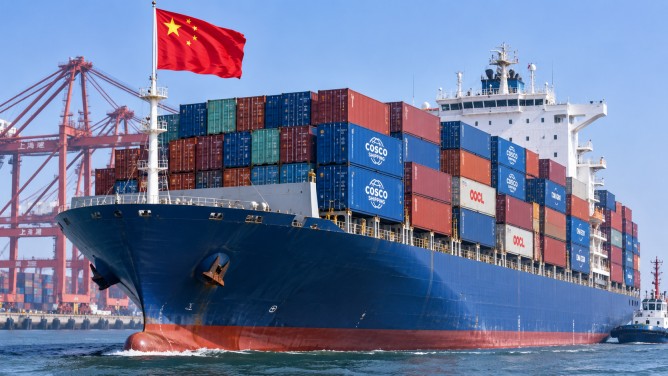
China is gearing up to expand its import portfolio over the next Five-Year Plan period (2026–2030), focusing on advanced technology, essential industrial components, energy resources, and top-quality agricultural products. This strategic move, outlined by the General Administration of Customs, aims to drive industrial modernization, enhance domestic consumption, and offer Chinese consumers a broader array of high-caliber international products. Part of this initiative includes diversifying the countries from which China imports goods.
In the first half of the year, both imports and exports surged by double digits, with import growth surpassing exports. This trend reflects a rising domestic demand for advanced equipment, cutting-edge technology, and various consumer goods. To accommodate this demand, China plans to continue opening its market to more overseas agricultural and food products. The country is also working on simplifying quarantine and import approval processes. Since the beginning of the year, China has granted market access to 264 categories of agricultural and food products from 79 new countries, expanding its food import sources to over 150 countries and regions.
According to Chinese experts, this import strategy underscores China’s commitment to increased market openness, trade diversification, and reinforced global economic partnerships. By boosting imports, China not only aims to satisfy the demand for industrial upgrades and premium consumer goods but also seeks to create new opportunities for international exporters. This approach is expected to facilitate industrial advancements and improve the quality of goods available to consumers.
Officials anticipate that China’s growing consumer market will offer expanding opportunities for global businesses, driven by continuous growth in domestic consumption. This expanding market is expected to foster stronger economic ties and open up new avenues for international trade partners.