
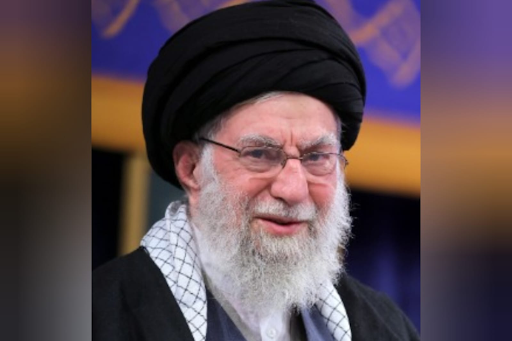
When Masoud Pezeshkian was elected as Iran’s president, he was seen as a relative moderate — a heart surgeon from Azerbaijan province who had promised to pursue a less confrontational foreign policy and greater social freedoms. Less than a year into his term, he finds himself at the center of the most severe crisis in the Islamic Republic’s history, serving on the temporary leadership council that is governing Iran while a new Supreme Leader is sought.
Pezeshkian’s presidency has been defined by circumstances he did not choose and cannot fully control. The June airstrikes that launched the current conflict occurred on his watch. The January massacre, one of the bloodiest episodes of state violence against civilians in Iranian history, occurred under his nominal leadership, though the security decisions that produced it were made by forces and institutions outside the president’s actual control.
The Iranian presidency, under the Velayat-e Faqih system, is a constrained office. The president manages the day-to-day administration of the government and has a significant voice in economic policy and some aspects of foreign policy. But the Supreme Leader holds final authority over all major decisions including military policy, nuclear strategy, and fundamental foreign policy direction. Pezeshkian, as president, was never the most powerful figure in Iran.
With the Supreme Leader’s position temporarily vacant, Pezeshkian occupies a more prominent role than at any previous point in his term. But his authority is shared with the judiciary chief and a senior cleric, and real power on the most important questions — the war, the succession — lies with the IRGC and other security institutions.
How Pezeshkian navigates this period — whether he manages to build influence that outlasts the temporary emergency, or whether he is marginalized by more powerful actors — will shape both his legacy and his ability to pursue whatever reform agenda he entered office with.