
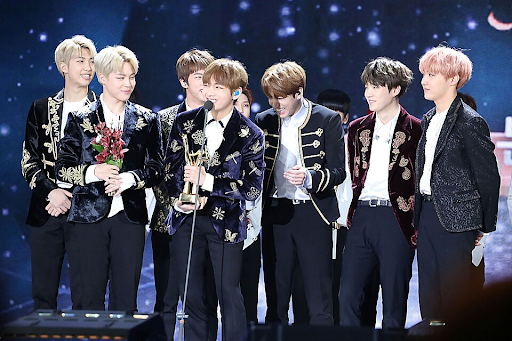
The nearly four-year separation period raised questions about mental health impacts on both BTS members and fans. The March 20, 2026, comeback represents not just artistic reunion but potentially significant moment for emotional wellbeing—providing closure on uncertain period, offering something positive to anticipate, and reconnecting relationships that provide meaning and support. These mental health dimensions add depth to understanding why comebacks matter beyond entertainment value.
The announcement provided immediate mental health benefits for fans struggling during the waiting period. Having concrete date replaced open-ended uncertainty with specific timeline, reducing anxiety about whether reunion would occur. Handwritten letters offered personal connection that combats isolation and alienation. Each letter bore “2026.3.20” and personal messages acknowledging the relationship between artists and fans, validating emotional investment that outsiders sometimes dismiss or ridicule.
RM’s confession about desperately waiting for reunion acknowledged mental health dimensions of separation—longing, anticipation, perhaps doubt or worry. His openness about struggling with waiting helps destigmatize discussion of how entertainment participation intersects with emotional wellbeing. His vulnerability might encourage fans to acknowledge their own emotional experiences rather than minimizing or hiding them due to stigma around parasocial relationships.
Jin’s expression of joy about team reunion suggests mental health benefits of collaboration and social connection versus isolation of solo work. His message validates that even successful individuals benefit from community and teamwork, potentially helping fans appreciate value of their own social connections. J-Hope’s consistent positivity throughout the hiatus likely served mental health supportive function for fans, offering reliable source of optimism during challenging periods. His approach demonstrates maintaining positive outlook despite uncertainty.
Jungkook’s humble gratitude might help fans practice appreciation and gratitude—mental health practices shown to improve wellbeing. His modeling of thankfulness despite success provides example of attitude that serves mental health regardless of circumstances. The New Year’s Weverse countdown offered communal positive experience, with collective viewing providing social connection and shared joy that benefit mental health. While album details remain confidential, having creative project to anticipate serves mental health functions through giving people something to look forward to and providing conversation topics for community bonding. Beyond the album, anticipated tour offers additional mental health benefits through in-person community experiences, live music exposure (shown to benefit wellbeing), and having positive events to plan for and experience, demonstrating how entertainment participation serves functions beyond simple pleasure to support various dimensions of mental and emotional health.