
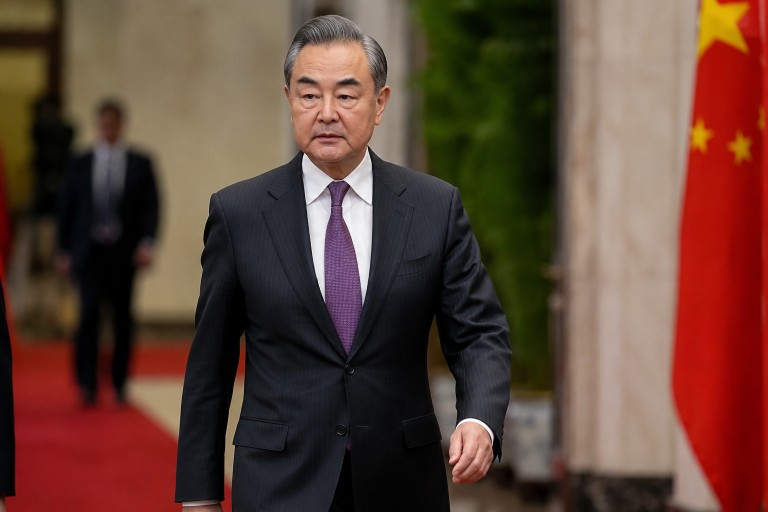
China has reinforced its dedication to enhancing partnerships with Central Asian nations, highlighted during Foreign Minister Wang Yi’s recent visit to Kyrgyzstan. The focus of this visit was on regional cooperation and multilateral engagement, with discussions centering on strengthening ties through platforms like the Shanghai Cooperation Organisation (SCO), the China–Central Asia mechanism, and the United Nations.
In meetings with leaders and foreign ministers from Kyrgyzstan, Uzbekistan, and Tajikistan, China emphasized its support for Kyrgyzstan’s upcoming role as host of the SCO Bishkek Summit. During these discussions, China pledged its continued support for Kyrgyzstan’s sovereignty and territorial integrity. Both nations agreed to further their collaboration on issues related to regional peace, security, and development, reflecting a mutual interest in fostering stability and growth.
With Uzbekistan, China underscored the significance of progressing the China–Kyrgyzstan–Uzbekistan Railway project and expanding cooperation in burgeoning fields such as artificial intelligence, smart agriculture, and modern industrial development. This highlights China’s focus on technological and infrastructural advancements as a cornerstone of its strategic partnerships in the region.
Similarly, China and Tajikistan reaffirmed their commitment to bolstering bilateral relations. Following the signing of a long-term friendship and cooperation treaty earlier this year, both countries are looking to enhance practical cooperation in key areas such as energy and regional connectivity. This move is indicative of China’s broader strategy to deepen ties with Central Asian countries through multifaceted engagement.
The visit by Wang Yi underscores China’s growing strategic partnership with Central Asia, marked by a strong emphasis on infrastructure development, trade, technological innovation, and regional stability. These efforts reflect China’s aspirations to solidify its influence and foster a climate of cooperative growth and security within the region.