The global economy is under siege, with oil entrenched above $91 a barrel and the Iran conflict showing no signs of the resolution that would lift the siege and allow the energy market to normalize. The more than 25% weekly surge in Brent crude — the biggest since the early Covid-19 pandemic — has placed the entire global economic system under fire simultaneously: energy costs are rising, inflation is threatening, financial markets are falling, and central banks are pinned between their mandate to control prices and the need to support growth.
The siege metaphor is particularly apt because the Strait of Hormuz — the narrow waterway through which a fifth of global energy flows — has been literally placed under military siege by the Iran conflict. Nine vessels have been attacked, around 600 are stranded, and Iran’s Revolutionary Guard continues to threaten any western tanker that attempts passage. The Trump administration’s military escort offer has not lifted the siege commercially; the economic consequences of the blockade are mounting by the day.
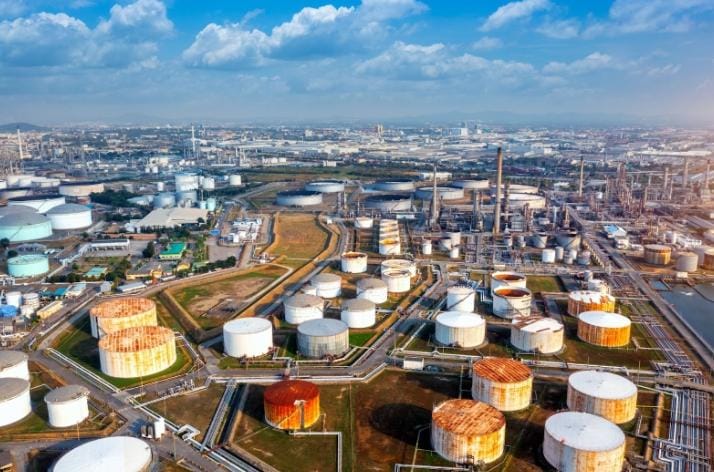
Within the siege, the Gulf’s energy infrastructure is under its own form of internal pressure. Kuwait has been forced to cut production because its storage tanks are full and the oil cannot be moved. Saudi Arabia and UAE face the same situation within 20 days. Qatar’s LNG terminal has been damaged, disrupting roughly 20% of global LNG supply. The siege is not just external — it is creating internal structural failures across the Gulf’s energy system.
Qatar’s energy minister has provided the siege’s worst-case endpoint: $150 per barrel, when all Gulf exporters are forced to halt production within weeks. The minister’s own country is already experiencing the consequences of the siege in the most direct possible way, with export infrastructure damaged and revenues disrupted. His warning carries the authority of someone who is living through the scenario he is describing.
Financial markets have reflected the siege conditions with comprehensive damage across asset classes. Stock markets have fallen sharply globally. Bond yields have surged to crisis levels. Rate cut expectations have been abandoned. Airlines have warned of massive losses. Gold has fallen. The siege of the global economy by $91 oil and the Iran conflict is not a brief episode — it is a sustained military, logistical, and financial emergency whose resolution requires an end to a conflict that shows no immediate sign of concluding.