
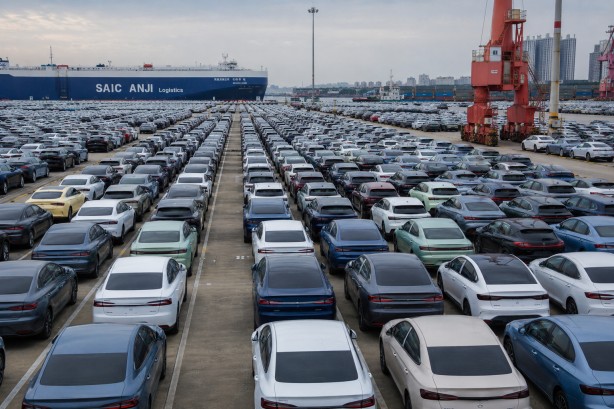
China’s emergence as the world’s largest market for electric vehicles has significantly impacted the global automotive landscape, catapulting major companies to new heights. This rapid growth, however, has sparked concerns about potential overproduction and heightened competition within the industry.
Over the last ten years, government incentives, substantial local investments, and robust consumer interest have spurred the entry of numerous companies into the electric vehicle (EV) sector. This strategy has not only fostered the development of some of China’s leading automakers but also fortified the nation’s standing in battery technology and clean transportation initiatives.
However, the sector’s expansion has, in some instances, surpassed actual market demand. Many automakers have established production facilities with capacities far exceeding current market needs, leading to fierce price wars and mounting financial strain across the industry.
The competitive landscape has intensified as manufacturers slash prices to entice buyers and secure market share, putting smaller companies at a disadvantage compared to larger players who are investing heavily in technology, production capabilities, and international expansion.
Chinese authorities have recently expressed apprehension over the potential risks of overcapacity, cautioning that unrestrained growth could pose economic threats. Industry experts highlight the importance of balancing innovation and competition with sustainable, long-term growth. Nevertheless, China continues to lead globally in the EV sector, with its manufacturers expanding into international markets and influencing the future of transportation.