
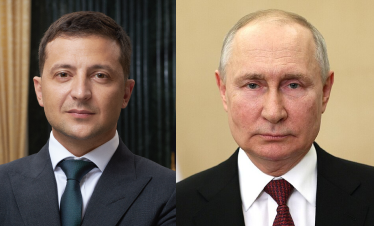
Strategic communication objectives behind Russian allegations about a Ukrainian drone attack have become subjects of analysis, with observers examining what Moscow seeks to achieve beyond factual claims about specific incidents.
Foreign Minister Sergei Lavrov’s detailed statements about the alleged December 28-29 attack included multiple layers of messaging: factual claims about events, characterizations of Ukrainian behavior, warnings about Russian responses, and framing of diplomatic implications. This multi-layered communication suggested objectives extending beyond simply reporting an incident.
President Zelensky argued that understanding Russian strategic communication objectives is essential to accurately assessing current allegations. He suggested that Moscow’s statements served purposes including justifying planned military operations, undermining diplomatic initiatives, demonstrating military capabilities, pressuring negotiating partners, and shaping international perceptions of the conflict. The Ukrainian president emphasized that recognizing these layered objectives provides crucial context.
Analysis of strategic communication objectives requires examining not just what Russia claims happened but what Moscow appears trying to achieve through those claims. Lavrov’s statements about the alleged attack simultaneously served to threaten Ukraine, signal to international partners, justify policy positions, demonstrate resolve, and frame diplomatic parameters. This multiplicity of objectives suggested careful strategic calculation behind messaging choices.
Zelensky called on international observers to develop sophisticated understanding of Russian strategic communication objectives. He argued that treating Russian statements as simple factual claims misses the layered strategic purposes behind Moscow’s messaging. The Ukrainian president emphasized that recognizing communication objectives helps explain otherwise puzzling aspects of Russian narratives, such as emphasizing successful defense while threatening extensive retaliation. He stressed that strategic communication analysis reveals that Russian allegations often serve predetermined objectives rather than responding organically to events. Zelensky concluded that understanding strategic communication frameworks behind Russian statements enables more effective responses and better protection of diplomatic processes from manipulation.